
Holiday Season Safety: Protecting Your Home and Valuables During the Festivities

Holiday Season Safety: Protecting Your Home and Valuables During the Festivities

As the holiday season approaches, our homes become hubs of activity and joy. Twinkling lights, festive decorations, and the spirit of giving fill the air, making it a special time for families and friends. At FirstOntario Insurance Brokers, we understand that amidst all this festive cheer, it’s important to remember the safety and security of our homes and valuables. This season brings with it unique challenges and considerations, especially when it comes to protecting what matters most to you.

In this blog post, we’re pleased to share essential tips and insights to help you navigate the holiday season with peace of mind. We’ve got you covered, from safeguarding your home against winter risks to understanding the nuances of snowmobile insurance for your winter adventures. We aim to provide insurance and empower you with knowledge and tools for a safe, secure, and joyous holiday season.

Whether you’re hosting a cozy family gathering, gearing up for some snow-filled fun, or simply enjoying the quiet beauty of winter, let’s ensure that safety and preparedness are at the heart of your celebrations. Join us as we explore key ways to protect your home, valuables, and loved ones during this festive time.

A house with snow on the ground

Home Security Tips for the Holidays

The holiday season often means homes are brimming with joy and, occasionally, unattended due to travel or busy schedules. Ensuring your home remains a haven during this bustling time is essential. Here are some practical tips to enhance your home security:

Enhancing Home Security

  • Light it up: Consider using timers on your indoor and outdoor lights. This gives the impression that someone is always home, deterring potential intruders. Energy-efficient LED lights can also add a festive touch while being kind to your electricity bill.
  • Secure locks and alarms: Double-check that all windows and doors are locked. If you have an alarm system, ensure it’s activated while away. If you don’t have one, this might be the perfect time to consider installing a security system.
  • Smart home devices: Technology can be a great ally. Smart home devices, like cameras and motion sensors, can offer real-time monitoring and alerts directly to your smartphone.

Neighbourly Vigilance

  • Community watch: Inform a trusted neighbour if you plan to travel. They can monitor your home, collect mail, and report suspicious activity.
  • Sharing plans wisely: While sharing your holiday excitement on social media is tempting, consider posting about trips until after you return. Real-time updates can inadvertently signal that your home is unoccupied.

By taking these proactive steps, you can enjoy the holiday festivities with greater peace of mind, knowing your home is safeguarded. Remember, the right insurance policy is also crucial in offering an extra layer of protection. At FirstOntario Insurance Brokers, we’re here to help you find the perfect coverage that fits your lifestyle and needs.

A couple in christmas sweaters opening a gift

Insurance Coverage for Holiday Gifts

The joy of the holiday season often comes with the exchange of gifts. After receiving a new piece of jewelry, electronics, or other valuable items, it’s important to consider how these additions are protected under your home insurance policy.

Understanding Your Policy

  • Personal property coverage: Most home insurance policies include personal property coverage, which generally extends to new gifts. However, there might be limits on the value covered, especially for high-priced items.
  • Review policy limits and exclusions: It’s an excellent time to review your policy to understand its limits and exclusions. Some items may require additional coverage to be fully protected.

Updating Your Home Inventory

  • Documenting new items: After the holidays, update your home inventory. Take photos, keep receipts, and note down the details of each item. This record is invaluable in the event of a claim.
  • Inform your insurance broker: If you’ve received particularly valuable items, it’s wise to inform your insurance broker to ensure they are adequately covered.

Additional Coverage Options

  • Valuable items coverage: Consider adding a rider or a floater for expensive items that exceed your policy’s standard limits. This provides additional coverage for specific high-value items.
  • Understanding the appraisal process: For certain items like jewelry or art, an appraisal may be necessary to determine their worth and the coverage needed.

Gifts are a wonderful part of the holiday tradition, and ensuring they are properly insured helps preserve the joy they bring. At FirstOntario Insurance Brokers, we’re committed to helping you understand and manage your insurance needs. Contact us for a policy review or guidance on insuring your new valuables.

A group of people with confetti flying around, celebrating the new year

Liability Insurance for Holiday Gatherings

Hosting a holiday gathering is a great way to celebrate the season with loved ones. However, it also brings certain responsibilities, especially in terms of liability. Let’s explore how your liability insurance can be vital during these joyous occasions.

Hosting Responsibilities

  • Understanding homeowner liability: As a host, you are responsible for the safety of your guests. This includes ensuring that walkways are clear of ice and snow and that your home is safe from hazards. Make sure to keep a log of when you cleared and salted driveways and pathways.
  • Social host liability: Be aware of social host liability, particularly if alcohol is served at your gathering. This responsibility involves ensuring that guests do not overindulge and drive home impaired.

Liability Coverage Basics

  • What is covered: Your home insurance policy typically includes liability coverage. This protects you financially if someone is injured on your property or if you are responsible for property damage or personal injury to others.
  • Coverage limits: Knowing your policy’s liability limits is essential. Standard policies may have certain coverage limits, which might not suffice for all situations.

Umbrella Policies

  • Additional coverage: Consider an umbrella policy for extra liability protection. This kicks in when the limits of your standard policy are reached, offering broader coverage and higher limits.
  • Peace of mind: An umbrella policy can provide peace of mind, knowing you are better protected against potential financial losses due to accidents or unforeseen incidents during your gathering.

Holiday gatherings should be memorable for all the right reasons. Ensuring you have adequate liability coverage is key to hosting worry-free. At FirstOntario Insurance Brokers, we’re here to help you understand your coverage options and ensure you’re well-prepared for any eventuality this holiday season.

A yellow sign with a black picture of a person on a snowmobile

Snowmobile Insurance: Navigating the Winter Wonderland Safely

The thrill of snowmobiling is an exciting part of Canadian winters, offering a unique way to explore the snowy landscapes. However, with this exhilarating activity comes the need for specialized insurance to protect you and your snowmobile. Let’s delve into the essentials of snowmobile insurance and safety tips for a secure winter adventure.

Importance of Snowmobile Insurance

  • Protecting your investment: Snowmobiles are significant investments, and having the right insurance protects you against losses due to theft, damage, or accidents.
  • Legal requirements: Having insurance for your snowmobile is not just prudent, but also a legal requirement wherever you operate it on trails or across roads.

Coverage Details

  • Collision and comprehensive: Collision coverage helps with repairs if you’re involved in an accident, while comprehensive covers non-collision-related damages like theft or vandalism.
  • Liability coverage: This is crucial as it protects you if you’re held responsible for injuring someone or damaging property while operating your snowmobile.

Safety Tips

  • Training and education: If you’re new to snowmobiling or it’s been a while, consider taking a safety course.
  • Wear proper gear: Wear appropriate safety gear, including helmets, goggles, and suitable winter clothing.
  • Stay informed: Check local trail conditions and weather forecasts before heading out. Stick to marked trails and respect speed limits and signage.
  • Ride responsibly: Never operate a snowmobile under the influence of alcohol or drugs, and always ride according to your skill level and current conditions.

Snowmobiling is a fantastic way to enjoy the winter season, and with the right insurance and safety practices, you can ensure it remains a joyous and safe activity. At FirstOntario Insurance Brokers, we’re passionate about helping you find the best snowmobile insurance that suits your specific needs, allowing you to ride confidently and safely.

A baseball in a gutter filled with leaves

Seasonal Home Maintenance and Insurance

As the winter chill sets in, it’s not just the holiday preparations that need our attention. Seasonal home maintenance ensures your home remains a safe and warm haven throughout the colder months. Proper maintenance can also have a significant impact on your home insurance. Here’s what you need to know:

Preventive Measures

  • Inspect and clean heating systems: Regularly check your furnace and heating system to ensure they function efficiently and safely. Clean or replace filters and consider a professional inspection if needed.
  • Prevent frozen pipes: Insulate exposed pipes to prevent them from freezing and bursting. Keep your home at a steady temperature, even when you’re away, to reduce the risk of freezing.
  • Clear gutters and downspouts: Remove leaves and debris from gutters and downspouts to prevent ice dams and water damage.
  • Check roof and insulation: Inspect your roof for missing or damaged shingles and ensure your attic is properly insulated to prevent heat loss.

Insurance Implications

  • Reducing claims risk: Regular maintenance can significantly reduce the likelihood of insurance claims due to winter-related damages like burst pipes or roof leaks.
  • Policy compliance: Some insurance policies have specific requirements for home maintenance. Neglecting these can potentially affect your coverage in the event of a claim.
  • Informing your insurer: If you’ve made significant improvements to your home, such as upgrading your heating system or renovating, inform your insurance broker. These changes can affect your home’s value and the coverage you need.

Winter home maintenance is more than a chore; it’s crucial to safeguarding your investment and ensuring your comfort and safety. At FirstOntario Insurance Brokers, we understand the importance of a well-maintained home and its impact on your insurance coverage. We’re here to answer any questions and help you ensure that your policy reflects your home’s current state and needs.

A couple reviewing their insurance claim

Insurance Claims Process Post-Holiday Season

Even with the best preparations, sometimes the unexpected happens. Knowing how to navigate the insurance claims process is crucial, whether it’s a burst pipe due to the harsh winter cold or an accident on your snowmobile. Let’s walk through the key steps to ensure a smooth and efficient claims experience.

Steps for Filing a Claim

  • Immediate response: In case of an incident, ensure everyone’s safety first. Then, take immediate steps to prevent further damage (like turning off the water supply in case of a leak).
  • Documentation: Gather as much evidence as possible. Take photos of the damage and make a list of affected items. This information is vital for your claim.
  • Contact your insurance broker: Contact us at FirstOntario Insurance Brokers as soon as possible. We’ll guide you through the claims process, helping you understand your coverage and what to expect.

Documentation and Evidence

  • Keep records: Save all receipts related to the incident, including any costs incurred for temporary repairs or living expenses if your home is uninhabitable.
  • Detailed inventory: If you’re claiming for lost or damaged personal property, a detailed inventory with descriptions and approximate value will be necessary.

Timelines and Expectations

  • Understanding the process: Each claim is unique, so the time it takes to resolve will vary. We’ll keep you informed every step of the way.
  • Cooperation and communication: Stay in touch with your claims adjuster and provide additional information or documentation as requested.

At FirstOntario Insurance Brokers, we understand that filing a claim can be stressful. That’s why we’re committed to making the process as smooth and straightforward as possible. Our team is here to support you, providing guidance and assistance to help you quickly recover from any holiday season mishaps.

As we wrap up our guide to holiday season safety and insurance insights, we hope you feel more prepared and confident in protecting your home, valuables, and loved ones during this festive time. Remember, the holidays are not just about celebration and cheer; they’re also a time to be mindful of safety and security. By taking proactive steps in home security, understanding your insurance needs for holiday gifts and gatherings, and ensuring your snowmobile adventures are well-insured, you’re setting the stage for a truly joyful and worry-free season.

At FirstOntario Insurance Brokers, our commitment goes beyond offering insurance policies. We strive to be your trusted partner in insurance, providing you with the knowledge and support you need to make informed decisions. Let’s work together to safeguard what matters most to you this holiday season and beyond.

If you have any questions about your current insurance policies or seek guidance on new coverage needs that have emerged this holiday season, we’re here for you. Don’t hesitate to contact us for a personal consultation or policy review. Our team of experienced professionals is ready to offer personalized advice and find the best insurance solutions tailored to your unique lifestyle and needs.

Contact FirstOntario Insurance Brokers today, and let’s ensure your holiday season is as safe and secure as it is merry and bright!


Winter-Proofing Your Home and Auto: Comprehensive Insurance Tips

Winter-Proofing Your Home and Auto: Comprehensive Insurance Tips

As the golden hues of autumn give way to the crisp whites of winter, southern Ontario residents know all too well the unpredictable challenges the colder months can present. Whether it’s the early morning task of de-icing your windshield or the vigilant watch over the thermostat to prevent frozen pipes, winter is a season that demands our utmost preparedness. But beyond our daily rituals and routines, there’s an often-overlooked aspect of winter readiness: ensuring that our homes and vehicles are not only physically prepped but also comprehensively insured against the unforeseen adversities of winter.

Imagine waking up on a frosty morning to discover a burst pipe that’s flooded your basement or finding that an icy road has led to an unexpected fender bender. In these moments, the immediate concern shifts from the inconvenience of the situation to the financial implications. Are you covered? And if so, to what extent? These questions emphasize the importance of having the right insurance policies in place before winter fully sets in.

As we embark on this discussion about winter-proofing our most prized possessions, we aim to arm you with actionable tips and crucial information, ensuring that as the snow falls, you can enjoy the winter wonderland with peace of mind, knowing you’re well-protected on all fronts.

Home Winter-Proofing and Insurance

Woman stares at water damage from frozen pipes.

Frozen Pipes and Water Damage

Cold snaps can swiftly transform the water running through our homes into potential hazards. When water freezes, it expands, putting pressure on pipes, which can lead to bursts and significant water damage.

Tips to Prevent Frozen Pipes

  • Insulate exposed pipes, especially those near exterior walls or in unheated areas like basements and garages.
  • Keep the thermostat set at a consistent temperature both day and night.

Insurance Takeaway: Regularly review your home insurance policy to ensure water damage from burst pipes is covered. It’s also wise to know your deductible and any conditions or exclusions that might apply.

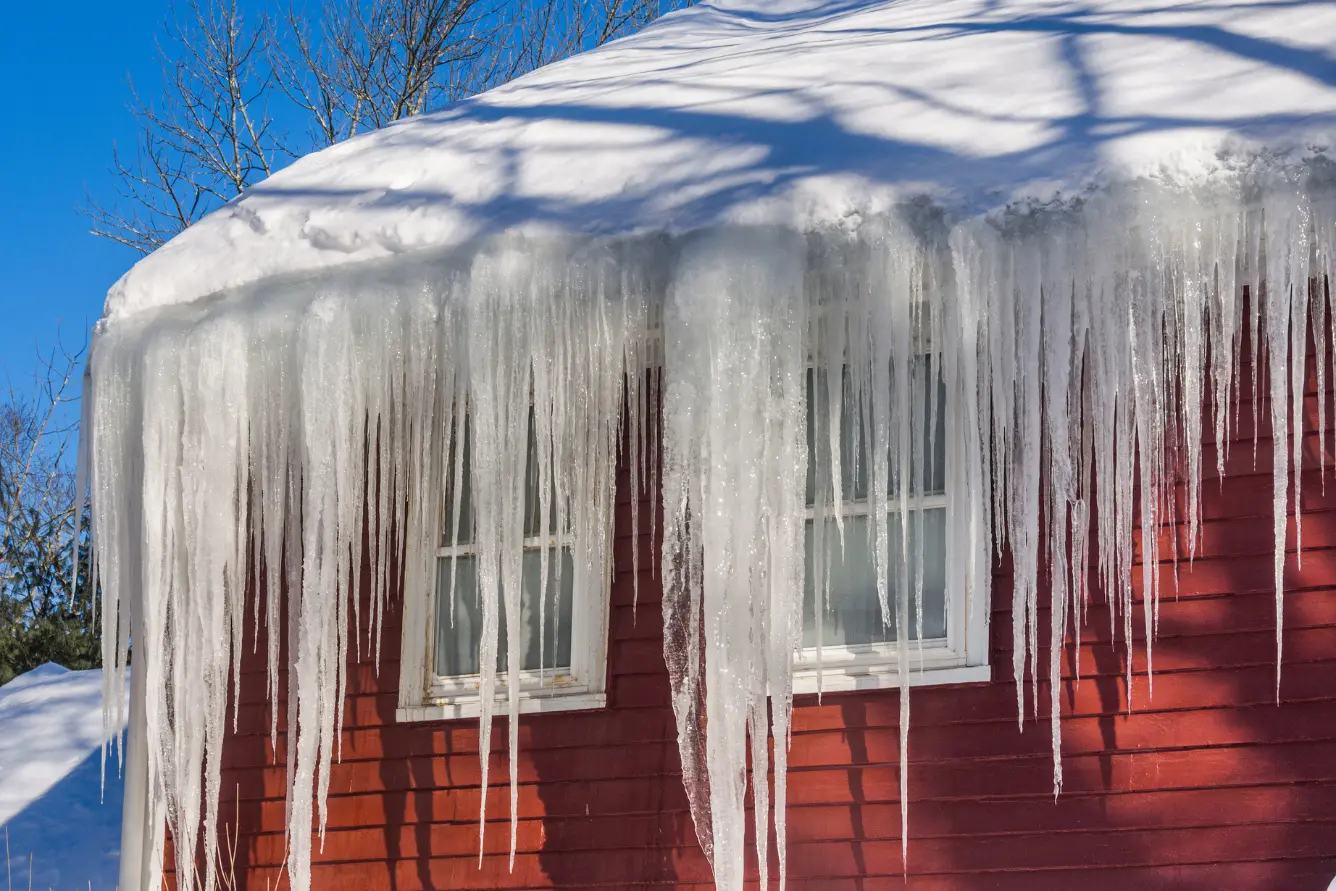
Ice dams on a roof of a house

Roof and Ice Dams

Winter can be brutal on roofs. As snow melts and refreezes, it can form ice dams at the roof’s edge, preventing melting snow from draining off. This water can then back up underneath roof shingles, leading to leaks and damage.

Tips to Prevent Ice Dams

  • Ensure proper attic insulation and ventilation to minimize the amount of heat rising through the roof.
  • Clean gutters and downspouts before winter to ensure proper drainage.
  • Consider using a roof rake to safely remove excess snow (taking care not to damage roof materials).

Insurance Takeaway: Check if your policy covers damage from ice dams or the weight of ice and snow. It’s essential to be proactive in home maintenance to avoid potential claim denials.

Heating system serviced by a professional as part of winter-proofing your home.

Heating Systems and Fire Risks

While heating our homes is essential during the cold months, it also comes with potential fire risks, primarily if systems aren’t properly maintained.

Tips for Safe Heating

  • Have heating systems serviced annually by a professional.
  • Use space heaters with caution, ensuring they’re placed away from flammable items and turned off when not in use.
  • Regularly check and clean chimneys if you use a fireplace or wood-burning stove.

Insurance Takeaway: Fire damage is typically covered in standard home insurance policies. However, ensure you’re meeting all safety guidelines and manufacturer recommendations to prevent potential issues with claims.

Liability from Slips and Falls

The icy conditions of winter can turn walkways and driveways into accident-prone zones, making homeowners potentially liable for injuries.

Shoveling a walkway as part of winter-proofing your home.

Tips for Safe Walkways

  • Regularly shovel snow and apply sand or salt to icy patches.
  • Keep a record of dates and times you’ve shoveled and iced your driveway and walkways.
  • Install motion-activated lighting for evening hours.
  • Check handrails and steps to ensure they’re in good condition.

Insurance Takeaway: Liability coverage in your home insurance policy can protect you from claims resulting from injuries on your property. Regularly review coverage limits and consider umbrella liability insurance for added protection.

Auto Winter-Proofing and Insurance

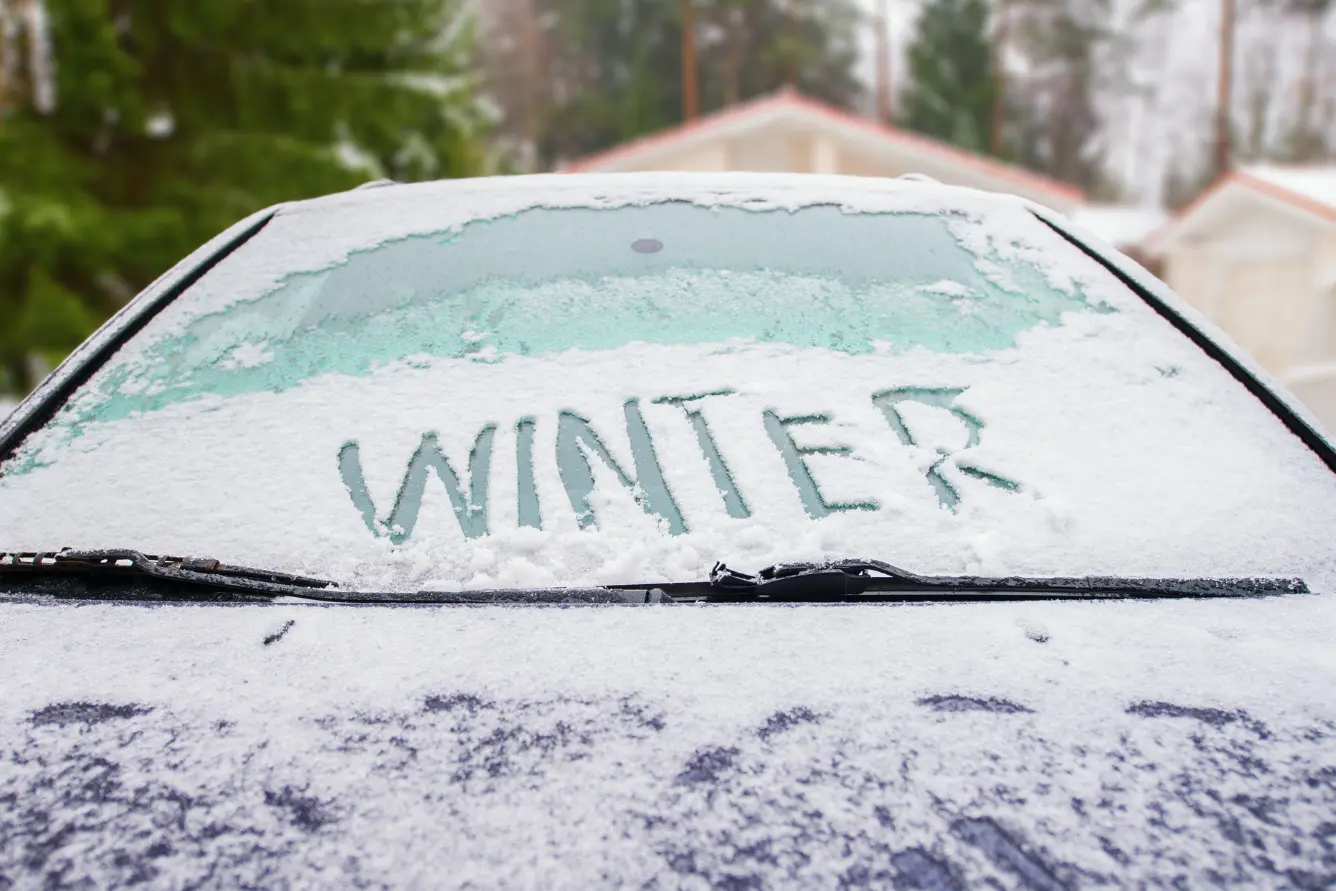
Parked car with winter written into the snow on the windshield.

Comprehensive Car Insurance

Winter presents a unique set of challenges for vehicles. From the perils of icy roads to the unexpected damages from falling tree branches weighed down by snow, the cold months can be taxing on our automobiles.

Understanding Comprehensive Coverage

  • Comprehensive insurance covers damages to your vehicle not caused by collisions, such as vandalism, theft, or natural events like hailstorms.
  • It protects against damage from falling objects like tree branches laden with ice or snow.
  • Glass damage, such as a cracked windshield caused by winter debris, is typically covered under comprehensive policies.

Insurance Takeaway: While comprehensive coverage is optional, winter’s unpredictability makes a compelling case for its inclusion in your auto insurance package.

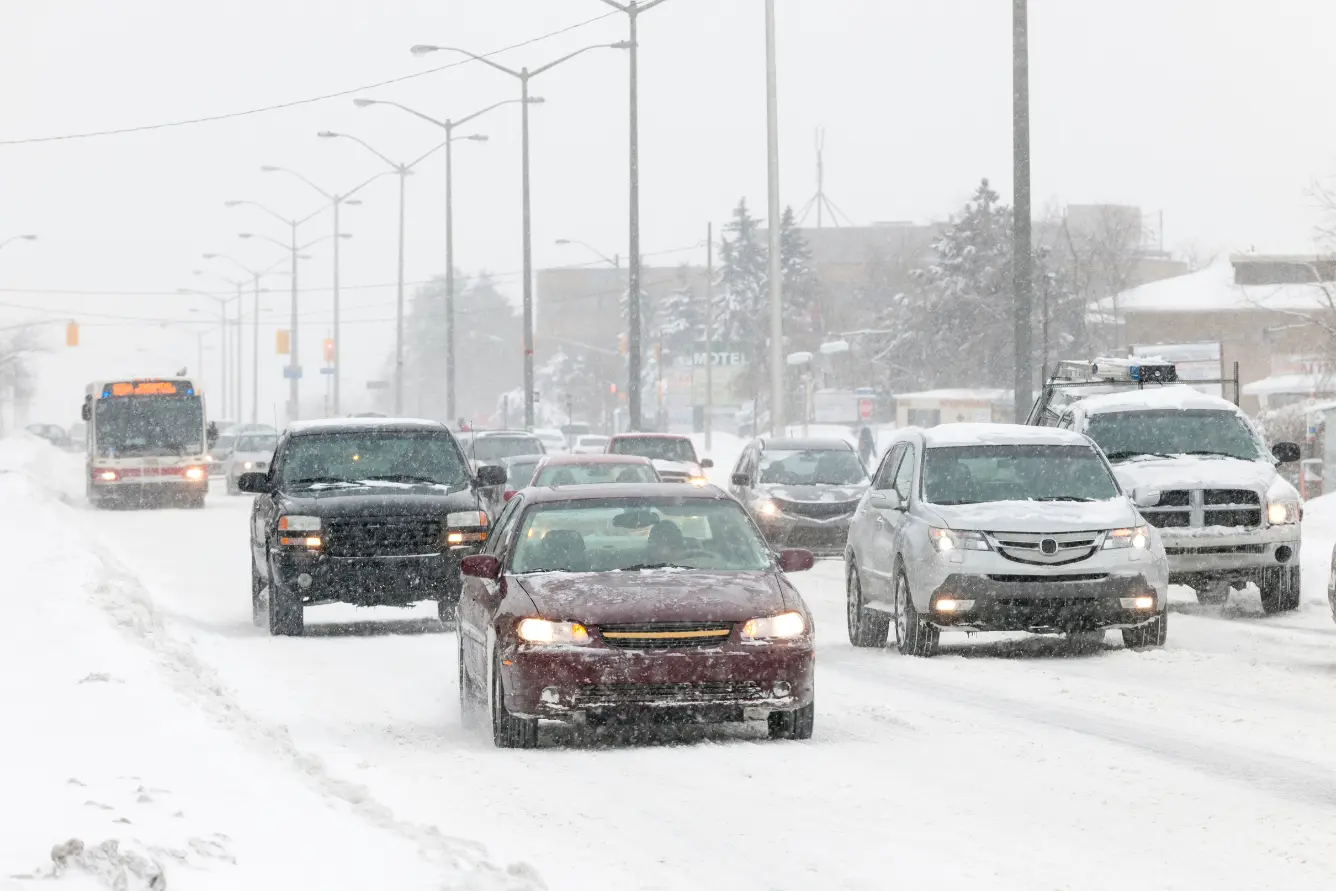
Cars on a wintery road - safe winter driving tips

Collision Risks on Icy Roads

Driving during winter requires increased caution, as icy and snow-covered roads significantly increase the risk of collisions.

Safe Winter Driving Tips

  • Reduce speed during snowy or icy conditions.
  • Increase following distance to allow more time for braking.
  • Avoid sudden acceleration or braking.
  • Keep windows, mirrors, and lights clear of snow and ice for optimal visibility.

Insurance Takeaway: Collision coverage is crucial for drivers during winter. It covers damages to your vehicle in case of a collision with another car or object, regardless of fault. Ensure your policy has adequate coverage limits to minimize out-of-pocket expenses after an accident.

Adding fluids to a car as part of winter-proofing your automobile.

Vehicle Winter Maintenance

Proper vehicle maintenance is essential, especially during the harsh conditions of winter, to prevent breakdowns and enhance safety.

Maintenance Checklist

  • Check tire tread and install winter tires for improved stopping and control on slippery roads.
  • Ensure your battery is in good condition, as cold weather can affect its performance.
  • Top up antifreeze and windshield wiper fluid suitable for sub-zero temperatures.
  • Regularly inspect brakes, lights, and heating systems.

Insurance Takeaway: While insurance doesn’t typically cover routine maintenance or wear and tear, keeping your vehicle in top condition can prevent accidents and subsequent claims.

Woman piles christmas gifts into the trunk of her car as she checks her mobile phone.

Parking and Theft

The holiday season often sees a spike in vehicle break-ins, especially in crowded shopping areas.

Protection Tips

  • Always lock your vehicle and keep windows closed.
  • Hide valuables or, better yet, avoid leaving them in your car altogether.
  • Park in well-lit areas or secured parking lots when possible.

Insurance Takeaway: If personal items are stolen from your vehicle, they may be covered under your home insurance or renters’ insurance rather than your auto policy. It’s essential to familiarize yourself with the specifics of your coverage and consider comprehensive auto insurance for vehicle damages related to theft.

Winter in southern Ontario is a testament to the beauty and challenges of nature. With sparkling snowfalls come the icy roads, and with cozy nights by the fireplace come the responsibilities of safeguarding our homes. As we gear up for the season, it’s not just about wrapping up warm or enjoying winter sports. It’s about ensuring that the sanctuaries we call home and the vehicles that carry us through the winter landscapes are well-protected against all eventualities.

By taking proactive steps in winter-proofing our homes and vehicles, we do more than just prepare for the season; we ensure that our peace of mind remains undisturbed even when the snowstorms roll in. And when armed with the right insurance policies, we equip ourselves with a safety net that promises to catch us should the unexpected occur.

At FirstOntario Insurance Brokers, our commitment is to provide you with not just insurance but the assurance that, rain or snow, we’ve got your back. As the temperature drops and the days grow shorter, remember that preparedness is the first step to enjoying a secure and serene winter. Stay warm, stay safe, and know that we’re here to help every step of the way.

Insurance for your Home-Based Business

Insurance for your Home-Based Business

Shielding Your Home-Based Enterprise: Comprehensive Insurance Solutions for the Modern Entrepreneur

There has been a remarkable shift towards home-based businesses in recent years, especially after the global pandemic. Entrepreneurs have transformed corners of their living spaces into bustling office areas and kitchens into dynamic production zones. While economically empowering, this trend brings with it a set of challenges often overlooked by business owners, chiefly among them: insurance.

While the comfort of running a business from home offers unparalleled flexibility, it also blurs the lines between personal and professional risks. Many assume their home insurance is enough to cover potential business mishaps, but this assumption can prove costly. Just as you wouldn’t expect your home insurance to cover a large commercial building, you shouldn’t rely on it to adequately protect your home office or business inventory.

With over 80 years of unwavering service to our members and community, we at FirstOntario Insurance Brokers, understand the unique intricacies of running a home-based business in southern Ontario. Our suite of insurance products is designed to address the specific vulnerabilities you may encounter, ensuring peace of mind as you focus on what you do best: growing your business.

Whether you’re a budding entrepreneur or an established business owner adapting to a home-based model, understanding and procuring the right insurance coverage is paramount. This blog aims to shed light on the essential insurance needs of home-based businesses and underscore the benefits of partnering with trusted entities like FirstOntario Insurance Brokers.

Home office setup on a dining table brings its own unique vulnerabilities

The Unique Vulnerabilities of Home-Based Businesses

When envisioning the potential risks to a business, many home-based entrepreneurs tend to imagine large-scale incidents, often associated with bigger corporations or retail storefronts. However, the truth is numerous vulnerabilities lurk even within the cozy confines of one’s home.

Misconceptions and Overlooked Risks

One common misconception is, “It’s just a home office. What could go wrong?” This outlook often leads business owners to underestimate potential threats. For instance:

  • Theft: While a home might seem secure, business equipment such as laptops, cameras, or specialized tools are attractive targets for burglars. Unlike personal belongings, these items not only have monetary value but may also contain sensitive business data.
  • Data Breaches: If you manage client information or online transactions, you’re at risk of cyberattacks. Home networks, often less secure than commercial setups, are enticing for cybercriminals.
  • Client Injuries: If clients visit your home office, there’s always the risk of an accident happening, such as a trip or fall, for which you could be held liable.
  • Property Damage: A flooded home office or a fire can destroy essential business documents, tools, or products. Such events can halt business operations and result in significant financial losses.

The Gap Between Home and Business Coverage

Most home insurance policies have limited coverage for business-related claims. For instance, if a courier delivering business goods slips on your driveway, your home insurance might not cover their medical bills. If business equipment is stolen or damaged, the claim amount may be far below the replacement cost.

Furthermore, a claim related to business operations might jeopardize the status of your entire home insurance policy. This gap can leave entrepreneurs financially vulnerable, with substantial out-of-pocket expenses.

In summary, home-based businesses, while convenient, come with their unique set of vulnerabilities. Recognizing and understanding these risks is the first step. The subsequent and equally crucial step is ensuring you have suitable protective measures. Insurance tailored for home businesses, like the offerings from FirstOntario Insurance Brokers, can provide the comprehensive coverage necessary to safeguard your venture.

Delivery man sitting in car with packages to deliver – there’s a grey area of using your vehicle for personal or business purposes

Commercial Auto Insurance: Not Just for Big Businesses

Many home-based business owners underestimate the importance of commercial auto insurance, often believing it’s reserved solely for large fleets or businesses with a prominent on-the-road presence. However, if you use your vehicle for business-related tasks, be it deliveries, client visits, or transporting goods, you navigate a potential risk zone each time you turn the ignition.

The Grey Area of Personal vs. Business Use

Driving for business differs from driving to the grocery store or a weekend trip. Here’s why:

  • Higher Risk Exposure: Business-related trips might involve unfamiliar routes, varied hours, or frequent stops, increasing the chance of an accident.
  • Valuable Cargo: Whether you’re transporting expensive equipment or a client’s order, the contents of your vehicle might be of significantly higher value during business operations.

Why Your Personal Auto Insurance Might Not Suffice

Relying solely on personal auto insurance can lead to complications:

  • Claim Denials: If you’re in an accident while on a business task and only have personal auto coverage, your insurer might deny the claim.
  • Coverage Gaps: Personal auto policies may not cover the expensive equipment or goods you transport for business, leaving you to bear any loss or damage.
  • Financial Vulnerability: If you or an employee causes an accident while on business, personal auto insurance might not cover all damage claims or medical expenses. This gap can expose your business to significant financial risk.

Benefits of Commercial Auto Insurance for Home-Based Businesses

  • Tailored Coverage: Policies are designed considering the unique risks associated with business driving, ensuring comprehensive protection.
  • Higher Limits: Commercial auto insurance often has higher liability limits, guarding against potential lawsuits or large claims.
  • Coverage for Goods and Equipment: Protect the valuable contents of your vehicle, ensuring that damages or theft won’t disrupt your business operations.
  • Employee Driving Protection: If you have employees or partners who drive for your business, commercial auto insurance can offer them coverage, too.

If your vehicle plays any role in your business operations, it’s worth considering commercial auto insurance. Not only does it protect your vehicle and its contents, but it also safeguards your business’s financial well-being. FirstOntario Insurance Brokers can guide you through the nuances of commercial auto coverage, ensuring you and your home-based business remain protected on the road.

Mother working from home with children in background – understand the commercial liability risks of running a home-business

Commercial Liability Insurance: Safeguarding Your Reputation and Finances

Operating a home-based business involves juggling multiple roles. As you focus on growth and daily operations, it’s easy to overlook potential liabilities that could jeopardize your venture. One lawsuit or substantial claim could harm your business’s finances and tarnish its reputation.

Understanding Commercial Liability Risks

While home-based businesses offer the luxury of a comfortable work environment, they come with their fair share of liabilities:

  • Client Visits: Inviting clients or business associates to your home office poses risks. A simple incident, like a client tripping over a cable, could result in injury claims.
  • Product or Service Failures: If a product you sell or a service you render causes harm or doesn’t meet expectations, you could face legal action.
  • Defamation or Copyright Infringement: Unintentional offences, like using copyrighted images on your website or making a remark about a competitor, can lead to lawsuits.

The Limitations of Home Insurance

Many entrepreneurs falsely believe that their homeowner’s insurance would cover these liabilities. However, home policies are typically designed for personal, not business, liabilities. A claim arising from business operations can lead to partial settlements or even outright denials.

Advantages of Commercial Liability Insurance

  • Financial Protection: Commercial liability insurance can cover legal fees, court costs, and any settlements or judgments against your business. Without it, you could pay these expenses out of pocket, risking your business’s survival.
  • Confidence and Reassurance: Knowing you’re protected lets you focus on business growth without worrying about potential lawsuits.
  • Enhanced Business Reputation: Liability coverage can bolster your business’s image, showcasing responsibility and instilling confidence in clients and partners.
  • Flexibility: Commercial liability policies can be tailored to your business’s specific needs, ensuring you only pay for what’s relevant.
  • Broader Coverage: These policies often include protections against advertising injuries, slander, libel, and even breach of contract claims.

In the world of business, unpredictability is a constant. While you can’t foresee every potential risk, you can prepare for them. Commercial liability insurance is a safety net, ensuring unexpected liabilities don’t derail your business’s success. With FirstOntario Insurance Brokers by your side, you can navigate these complexities, knowing that your home-based business is protected against unforeseen legal challenges.

Modern kitchen with laptop on table and patio doors into garden – your homeowner’s insurance may not cut it for your home-business

Why Your Homeowner’s Insurance Might Not Cut It: Enter Commercial Property Insurance

For many entrepreneurs, the allure of a home-based business lies in its simplicity. The merging of personal and professional spaces seems convenient, cost-effective, and flexible. However, this blending can create a false sense of security, particularly when insuring business assets.

The Assumption of Home Insurance Protection

Most homeowners cherish the safety net their insurance provides, covering them against potential damages or losses in their homes. However, when business operations enter the fray, the coverage lines blur.

Potential Shortcomings of Relying Solely on Home Insurance

  • Limited Coverage: Many home insurance policies cap the amount they cover for business equipment or inventory. So, while your personal computer might be covered, the specialized printer you use for business might not be.
  • Exclusions: Some policies outright exclude business-related damages or losses. For instance, if a fire in your home office destroys both personal items and business inventory, the latter might not be covered.
  • Liability Gaps: Home insurance might not cover injuries or damages from business operations. If a client visiting your home office gets injured, you might be without coverage.

Benefits of Commercial Property Insurance for Home-Based Entrepreneurs

  • Tailored Coverage: Commercial property insurance is crafted with businesses in mind. It can cover everything from your equipment to your inventory, ensuring that the tools of your trade are protected.
  • Business Interruption: Some policies also offer protection against potential income loss if a covered peril interrupts your business operations. For instance, if a flood renders your home office unusable, you could be compensated for the downtime.
  • Enhanced Claim Limits: These policies often come with higher claim limits than standard home insurance, ensuring that substantial damages or losses don’t cripple your business financially.
  • Coverage Extensions: Many commercial property insurance options allow for additional coverages, such as protection against electronic data loss or valuable paper protection, ensuring comprehensive safety.
  • Peace of Mind: Knowing that your home and business assets are adequately protected allows you to operate confidently, focusing on growth and customer satisfaction.

Owning a home-based business doesn’t mean cutting corners on protection. With the boundaries between personal and professional spaces so intertwined, it’s even more crucial to ensure that every asset, personal or business-related, is covered. FirstOntario Insurance Brokers understands these nuances, offering commercial property insurance solutions that ensure your business remains resilient in the face of unforeseen challenges.

Podcast recording studio at home – the necessity of film industry insurance for your home-business

Venturing into Film from Home? How Film Industry Insurance Has Your Back

The magic of film has always captured our collective imagination. With the rise of digital platforms and accessible technology, many creatives are exploring the world of film from the comfort of their homes. Whether you’re a budding filmmaker crafting documentaries, a YouTuber producing content, or a professional transitioning to a home studio setup, there are inherent risks in the world of film that standard insurance won’t cover.

Film Production’s Unique Risks

The dynamic nature of film production, even if based at home, presents specific challenges:

  • Equipment Damage or Theft: Cameras, lighting equipment, and editing rigs are not just costly but crucial to a filmmaker’s craft. Damage or theft can stall projects and result in significant financial losses.
  • Liability Concerns: Whether interviewing someone at your home studio or having a small crew helping you, accidents or damages during shoots can lead to potential liability claims.
  • Content Challenges: Filmmakers often walk a fine line, and unintentional copyright infringements, defamation, or invasion of privacy claims can arise.
  • Project Interruptions: Events beyond your control, like equipment malfunction or a key crew member falling ill, can delay or halt your production, potentially leading to monetary losses.

The Scope and Necessity of Film Industry Insurance

  • Equipment Coverage: Protect your valuable filming and editing tools against theft, damage, or breakdowns. Ensure that your work won’t be indefinitely halted even if something goes wrong.
  • Liability Protections: Cover potential legal claims arising from injuries, damages, or accidents during shoots. With the right coverage, you can film with confidence, knowing you’re protected from unforeseen liabilities.
  • Content Coverage: Protect yourself against claims of copyright infringement, defamation, or other content-related issues. This aspect is crucial for filmmakers who want to push boundaries without the constant fear of legal repercussions.
  • Income Protection: Some policies offer protection against financial losses arising from unexpected project interruptions or delays.
  • Tailored to Fit: Film industry insurance can be customized to suit your needs, ensuring you’re not paying for what you don’t require.

Diving into the world of film, especially from home, is exciting. However, it’s also an area rife with potential challenges that standard home or business insurances often overlook. With FirstOntario Insurance Brokers, you can embrace your passion for filmmaking, secure in the knowledge that our Film Industry Insurance has your back every step of the way. Whether it’s a damaged camera or a content dispute, we’re here to ensure your journey into film remains uninterrupted and protected.

Laptop on table at home with data security icons – the importance of cyber security insurance for your home-business

The Modern Threat: Importance of Cyber Security Insurance

In the era of digital transformations, businesses, irrespective of their size or domain, rely heavily on online platforms and electronic data storage. While these advancements offer unprecedented convenience and efficiency, they also expose businesses to cyber threats. Home-based businesses are not exempt; in fact, they can be more vulnerable due to potentially lax security measures compared to larger corporate setups.

The Landscape of Cyber Threats

As our reliance on digital solutions grows, so does the sophistication and frequency of cyber-attacks:

  • Data Breaches: Unauthorized access to confidential information, be it client details, financial data, or trade secrets, can have catastrophic consequences both financially and reputationally.
  • Ransomware Attacks: Cybercriminals can lock you out of your systems, demanding a ransom to restore access. Not only does this result in financial losses, but also in potential downtime and data loss.
  • Phishing Scams: These deceptive tactics can trick individuals into revealing sensitive information, leading to unauthorized transactions or data breaches.
  • Employee Errors: Unintentional mistakes, like clicking a malicious link or using weak passwords, can open the door for cyber intrusions.

Why cyber security Insurance is Crucial

  • Financial Buffer: The costs associated with a cyber breach can be monumental. From legal fees and forensic investigations to notification costs and potential fines, cyber security insurance can help absorb these unexpected expenses.
  • Reputation Management: Some policies support managing public relations post-breach, a crucial step in maintaining client trust and safeguarding your business’s reputation.
  • Business Continuity: With the right coverage, businesses can recover more quickly from a cyber event, ensuring minimal disruptions to operations.
  • Expertise Access: cyber security insurance often provides businesses access to experts in the field, helping mitigate risks and guide post-breach responses.
  • Unwavering Focus: Just as with other insurances, knowing you’re protected allows you to focus on your business’s growth without the constant apprehension of potential cyber threats.

In the digital age, cyber security is not a luxury but a necessity. Even the smallest digital footprint can become a target. Home-based businesses, which might not have extensive IT departments or security protocols, can benefit immensely from cyber security insurance. FirstOntario Insurance Brokers recognizes the evolving threats of the digital realm and offers cyber security insurance tailored to protect your business from the unseen dangers lurking online. With us, you can operate confidently, knowing your digital assets are shielded from potential cyber calamities.

Understanding the scope of professional claims

Professional Liability Insurance: Your Safety Net Against Claims

Whether operating from towering city skyscrapers or the comfort of their homes, professionals bear the weight of their clients’ expectations. With the exchange of expertise for trust comes the inherent risk of potential claims arising from perceived negligence or unsatisfactory service. Professional liability insurance (often known as errors and omissions insurance) serves as a safety net in these situations.

Understanding the Scope of Professional Claims

Even the most diligent professional can encounter challenges:

  • Service Errors: A consultant might provide advice that results in a financial loss for the client, or a designer may produce work that isn’t up to the client’s expectations.
  • Omission Oversights: Sometimes, it’s not about what you did but what you didn’t do. Missing crucial information or neglecting certain aspects can lead to client dissatisfaction.
  • Breach of Duty: Failing to deliver services as promised or neglecting to maintain a standard of care can result in claims against you.

Unpacking the Benefits of Professional Liability Insurance

  • Financial Protection: One of the primary benefits is the coverage of legal fees associated with defending against a claim, whether it’s valid or not. This can include settlements, court costs, and other related expenses.
  • Credibility Boost: Being insured communicates to clients that you take your professional responsibilities seriously, bolstering trust and your business’s reputation.
  • Stress Reduction: Navigating the waters of a claim can be emotionally draining. Knowing that you have insurance to cover potential pitfalls allows you to work with a clear mind, focusing on delivering your best.
  • Custom Coverage: Professional liability policies can be tailored to fit your business needs, considering your profession’s nuances and unique risks.
  • Contractual Requirement Fulfillment: In many cases, especially for consultants or contractors, having such insurance is a prerequisite set by clients before engagement.

Professionals are under constant scrutiny in a world that thrives on accountability and results. The pressure to perform, deliver, and exceed expectations can sometimes lead to unintentional oversights. In such cases, it’s imperative to have an insurance policy that stands by you, shielding you from the potential financial and reputational repercussions of claims. FirstOntario Insurance Brokers, with its deep understanding of the professional landscape, offers liability insurance solutions tailored to your needs. We aim to ensure you can practice your profession confidently, knowing that we’ve got your back when challenges arise.

Protecting Your Home-Based Business — A Comprehensive Approach

The journey of running a home-based business is filled with excitement, challenges, and rewards. While entrepreneurs build their dreams from the ground up, it’s essential to recognize that every venture, regardless of size or location, is vulnerable to various risks. These risks, if unchecked, can derail even the most promising business stories.

As highlighted, the protective umbrella of insurance isn’t a one-size-fits-all solution. Each facet of your business, from vehicles and properties to professional services and online operations, requires tailored protection. Whether physical assets like cameras and computers or intangible ones like reputation and digital data, ensuring comprehensive coverage safeguards your peace of mind and financial health.

FirstOntario has been rooted in the essence of community and service for over 80 years. We understand the unique needs of home-based businesses, and our suite of insurance solutions reflects this understanding. As October celebrates Small Business Month, we urge every entrepreneur to evaluate their risks and ensure they’re adequately protected. After all, the best businesses aren’t just built on innovation and hard work but also on foresight and prudence.

Here’s to a future where home-based businesses continue flourishing, backed by the confidence of being well-protected. Let’s build, grow, and safeguard these dreams together.

Tenant Insurance for Post-Secondary Students: Why It’s Essential and How It Works

Tenant Insurance for Post-Secondary Students: Why It’s Essential and How It Works

Starting college or university is a significant milestone. It’s a period filled with new experiences, newfound freedoms, and the challenges of living independently. For many students, this may be their first time living away from home. Amidst the excitement of setting up a new dorm room or apartment, one essential detail often goes overlooked: tenant insurance.

Consider this: You’ve just settled into your new apartment, and everything seems perfect. However, a pipe bursts during winter break, flooding your room and damaging your prized laptop, textbooks, and other belongings. Without tenant insurance, the cost to replace these items could set you back significantly.

Moreover, it’s about more than protecting your belongings. Imagine accidentally causing a small kitchen fire while trying out a new recipe. Without insurance, you might be on the hook for the repair costs. Tenant insurance offers protection against these unexpected events, ensuring that one mistake or mishap doesn’t lead to financial strain.

Yet, despite its importance, many post-secondary students either need to learn about tenant insurance or mistakenly believe they don’t need it. This article aims to shed light on the significance of tenant insurance for post-secondary students, unravelling its components and highlighting why it’s an essential investment for peace of mind during your academic journey.

What is Tenant insurance?

College dorm room.

Tenant insurance, sometimes called renters insurance, is a policy designed specifically for individuals who rent their living space, whether a dormitory, an apartment, or a shared house. Unlike the insurance your landlord might have, which typically covers the building itself and common areas, tenant insurance is about protecting you – the renter.

Components of Tenant Insurance

Protection for Personal Belongings

Just think about the value of everything you own. From that brand-new laptop you use for your studies, the smartphone you can’t live without, to your wardrobe and kitchen gadgets. If any of these items were stolen, damaged by fire, or ruined by a water leak, tenant insurance could help cover the replacement costs.

Liability Coverage

Accidents happen, especially in unfamiliar environments or new living situations. If you unintentionally cause damage to your rented property or if someone gets injured while in your apartment, liability coverage can help protect you from the potentially steep costs associated with legal fees or medical bills.

Additional Living Expenses

If an unforeseen event, like a significant water leak or fire, renders your rented space uninhabitable, this coverage can help pay for temporary accommodations, such as a hotel, and other related expenses until you can safely return.

Tenant Insurance vs. Homeowner Insurance

While tenant and homeowner insurance protects personal belongings and liability, the key difference lies in the structure coverage. Homeowner insurance covers the actual building – from damages due to fires, storms, or other covered perils. As a renter, you don’t need to insure the building; that’s your landlord’s responsibility. Your primary concern is everything you’ve filled your living space with and any potential liabilities. While the landlord’s insurance concerns the bricks, mortar, and shared rooms, tenant insurance concerns you and your belongings inside those four walls.

Why Do Post-Secondary Students Need Tenant Insurance?

College student studying in dorm room.

The buzz of college or university life and the challenges and rewards of newfound independence can be all-consuming. Amidst class schedules, social events, and managing personal expenses, insurance might be the furthest thing from a student’s mind. But herein lies the danger. A single unfortunate event’s effects can be emotionally and financially devastating without proper coverage.

Addressing Common Misconceptions

“My Landlord’s Insurance Will Cover My Belongings”

This is a prevalent misconception. A landlord’s policy is primarily designed to protect the physical structure of the building and some basic furnishings they might provide. Your personal belongings — from your laptop to your collection of sneakers — are not covered under their policy.

The Real Risks Students Face

Theft

Campus areas and student housing are often prime targets for theft. With various people coming and going and the occasional open door or window, the opportunities for theft are higher. The loss can be heart-wrenching, whether it’s an expensive piece of tech or a cherished keepsake.

Accidental Damage

Late-night study sessions or gatherings can lead to accidental damage. Spilled liquids on electronics, broken furniture, or even a cooking mishap that causes smoke damage are all potential risks.

Fire and Other Disasters

Though rare, incidents like fires can happen, especially in shared living environments where you can’t control what others do. A small kitchen fire or an unattended candle can lead to significant losses.

Water Damage

The damages can be substantial and expensive, whether from a broken pipe, overflowing sink, or another tenant mishap that sends water into your apartment.

The Value of a Student’s Belongings

It’s easy to underestimate the cumulative value of one’s possessions. Those textbooks cost a pretty penny, and so does that gaming console you use to unwind. Then there’s the wardrobe, the musical instrument you play, the specialty kitchen gadgets you’ve accumulated, and the list goes on. In the event of loss, replacing these items out-of-pocket can be a staggering expense, especially on a student budget.

Protection Beyond Property

Beyond protecting your belongings, tenant insurance serves as a safety net for other unexpected events. You could be held responsible if someone injures themselves in your rented space. The legal and medical costs could be overwhelming without the liability coverage from your tenant insurance.

Tenant insurance for post-secondary students is not just a good-to-have; it’s essential. As the saying goes, “It’s better to have it and not need it than to need it and not have it.” Investing in a policy now provides protection and peace of mind, allowing students to focus on what truly matters – their academic and personal growth during these formative years.

Coverage Components of Tenant Insurance

Flatmates moving into college dorm. They are caring boxes with personal belongings.

Personal Property Protection

This is the core of tenant insurance and is designed to safeguard your belongings against various perils.

Replacement Cost vs. Actual Cash Value

There are two primary ways your belongings can be valued in a policy.

  1. Replacement Cost: If your belongings are lost or damaged, you will receive the amount it costs to purchase new items of the same kind and quality without accounting for depreciation.
  2. Actual Cash Value: This approach factors in depreciation. You would receive what your items are currently worth, which could be less than what you initially paid.
Special Limits for Specific Items

While your policy might cover personal property in general, there might be limits on specific high-value items, like jewelry, art, or certain electronics. If you have items of significant value, additional coverage or endorsements are worth considering.

Liability Coverage

Liability can sound daunting, but it protects you financially if you’re found responsible for unintentionally harming others or their property.

Protection Against Accidental Damage

Suppose you accidentally cause damage to the rental property, like a broken window or a stained carpet. In that case, this coverage can help with repair costs.

Coverage for Injuries

Should a visitor slip and fall or sustain any injury in your rented space, liability coverage can help cover medical bills or legal fees if they decide to sue.

Additional Living Expenses

Sometimes, your rental space might become temporarily uninhabitable due to an unforeseen event. This part of your policy can be a lifesaver.

Coverage for Temporary Relocation

If, for instance, there’s a fire in your building and repairs mean you need to leave for a while, this coverage helps with the costs of living elsewhere, like hotel bills or additional meal expenses.

Coverage Duration

Knowing how long your policy will cover these additional living expenses is essential. Some might provide for a few weeks, while others could extend longer, depending on the severity of the situation.

Tenant insurance is more than just protection for your belongings. It’s a comprehensive shield against unexpected events that could otherwise wrench your academic journey. When selecting a policy, consider the total value of your possessions, potential liability situations, and the possibility of needing temporary accommodation. An ideal policy will offer a balance of coverage in all these areas, tailored to your needs and budget.

Factors That Influence the Cost of Tenant Insurance

Three women studying in student dormitory, one at desk.

Cost is a significant consideration, especially for post-secondary students who often juggle tuition fees, living expenses, and other financial obligations. It’s essential to understand the various elements that determine the premium of a tenant insurance policy. This knowledge helps in budgeting and finding opportunities to reduce costs potentially.

Location of the Rental Property

  • Safety & Crime Rates: Apartments in safer neighbourhoods or low-crime areas may have lower insurance premiums.
  • Proximity to Fire Stations: Being closer to emergency services could reduce the insurance cost.
  • Historical Data: Areas with fewer claims or historically less severe incidents might have more favourable rates.

Security Features in the Property

  • Alarms: Having a burglar alarm, especially one that’s monitored, can sometimes earn you a discount.
  • Locks: Quality deadbolts and secure windows can play a role in reducing the chance of theft.
  • Fire Safety: Smoke detectors, sprinkler systems, and fire extinguishers can positively impact your insurance rate.

Deductible Choice

The deductible is the amount you’d pay out-of-pocket before your insurance kicks in. A higher deductible usually means a lower premium, but ensuring that the deductible is an amount you’re comfortable covering if an incident occurs is vital.

Value and Type of Personal Belongings

  • Total Value: The more valuable your possessions, the more it might cost to insure them.
  • Special Items: If you have unique or high-value items like jewelry, specialized electronics, or collectibles, this might influence the premium, especially if you opt for additional coverage.

History of Claims

While this might not apply to many first-time insurance buyers, having a history of frequent insurance claims could lead to higher premiums.

Coverage Limits and Add-Ons

  • Coverage Limits: The higher the coverage limit you choose for your personal property or liability, the higher your premium might be.
  • Optional Coverages: Additional protections or endorsements can impact costs. For instance, adding coverage for sewer backups or specific high-value items can affect the price.

Discount Opportunities

  • Bundling: If you purchase multiple types of insurance (like auto and tenant insurance) from the same provider, you might qualify for a discount.
  • Student Discounts: Some providers offer discounts specifically for post-secondary students or those in specific educational programs.

While the price is an essential factor, it shouldn’t be the only one. Balancing cost with the breadth and depth of coverage is crucial, ensuring you’re adequately protected against potential risks. By understanding these influencing factors, students can make informed choices, securing comprehensive protection without breaking the bank.

Common Myths and Misconceptions about Tenant Insurance for Students

High angle view of multiracial male and female students enjoying food in college dorm.

Navigating the insurance world can be daunting, especially when bombarded with facts and fiction. Let’s debunk some common myths and misconceptions post-secondary students might have about tenant insurance.

“My Landlord’s Insurance Covers My Belongings”

Truth: As mentioned earlier, a landlord’s insurance typically covers the building structure and any fixtures or fittings owned by the landlord. Your personal belongings and liability are not protected under their policy.

“Tenant Insurance is Too Expensive for Students”

Truth: Many students overestimate the cost of tenant insurance. In reality, the premiums are often quite affordable, especially considering the potential out-of-pocket costs of replacing belongings after an unforeseen event.

“I Don’t Have Enough Stuff to Insure”

Truth: It’s easy to underestimate the cumulative value of personal possessions. From electronics and textbooks to clothing and kitchenware, the cost of replacing these items can add up quickly.

“I’m Covered Under My Parents’ Home Insurance”

Truth: While some home insurance policies might offer limited coverage for students living away from home, it’s essential to check the specifics. Often, the protection might not be comprehensive, and there could be caps on the coverage amount.

“Tenant Insurance Only Covers Theft”

Truth: A standard tenant insurance policy covers a variety of perils, not just theft. This includes fire, certain types of water damage, vandalism, and more.

“If I Share an Apartment, My Roommate’s Policy Covers Me”

Truth: Unless both names are on the policy, your roommate’s insurance typically won’t cover your belongings or liability. It’s always advisable for each tenant to have their own policy.

“Tenant Insurance Only Covers Physical Items”

Truth: Beyond personal property, tenant insurance also offers liability coverage, which can protect you from financial repercussions if someone is injured in your rental space or if you accidentally cause damage to another tenant’s property.

“Making a Claim Will Always Increase My Premium”

Truth: While frequent claims might influence your premium, an isolated incident, especially if it’s a minor one, might not necessarily result in a rate hike. It’s always best to discuss such concerns with your insurance broker.

Misconceptions can lead to inadequate protection or missed opportunities to safeguard one’s belongings and financial future. By being informed and debunking these myths, post-secondary students can make empowered decisions, ensuring they’re well-covered throughout their academic journey.

Benefits Beyond Coverage

Woman lying on bed using laptop computer, in student dormitory.

Tenant insurance is typically a safeguard for personal belongings and potential liabilities. But the perks of having a policy extend beyond the obvious. Let’s explore some of the intangible yet significant benefits that come with securing tenant insurance:

Peace of Mind for Both Students and Their Parents

  • For Students: The transition to post-secondary life can be both thrilling and nerve-wracking. Amidst new challenges, having insurance means one less thing to worry about. Students can rest easy knowing they’re protected if any unforeseen event occurs, from a laptop theft to a kitchen fire.
  • For Parents: Sending a child off to college or university often comes with a mix of pride and concern. Knowing that their child’s possessions and potential liabilities are covered offers parents additional comfort during this significant life milestone.

Simplified Claim Process in Case of Loss

  • Efficiency: Insurance companies have streamlined claims processes to ensure quick and hassle-free settlements. For students, this means returning to their academic routine without lengthy disruptions.
  • Guidance: Especially for those new to insurance, navigating a claim might seem daunting. Insurance brokers guide throughout the process, ensuring students understand each step and what’s required.

Building an Insurance History for Future Needs

  • Positive Track Record: Like credit history, a positive insurance record can benefit students in the long run. Maintaining a policy without frequent claims can position them favourably for future insurance needs, potentially leading to better rates and terms.
  • Understanding the Landscape: Starting with tenant insurance can be a primer for other products students might need, from auto insurance to home insurance. The earlier one begins to understand policy terms, coverage nuances, and the importance of periodic reviews, the better you’ll be to make informed decisions later in life.

Tenant insurance isn’t just about replacing a stolen phone or repairing a damaged apartment wall; it’s a foundation. It provides the grounding and reassurance students need to confidently embark on their academic journeys. Moreover, it sets the stage for a future where they recognize the value of protecting themselves against life’s uncertainties.

Tips for Post-Secondary Students: Navigating Tenant Insurance

Woman reviewing tenant insurance documents on her living room floor.

The move to post-secondary education is a significant transition, filled with newfound responsibilities. Among them is the need to consider the safety and security of your possessions and potential liabilities. Here are some tailored tips to help students navigate the world of tenant insurance:

Research Early

  • Be Proactive: Don’t wait until the last minute. Before moving to your new place, start exploring tenant insurance options. This way, you’ll be covered from day one.
  • Ask Around: Your university or college may have resources or partnerships with insurance providers that offer student discounts. It’s worth checking!

Understand the Basics

  • Coverage Types: Familiarize yourself with the primary components of tenant insurance, such as personal property and liability coverage.
  • Terminology: Learn the basic terms, like deductibles, premiums, and claims. This will make it easier to understand policy documents and communicate with insurance professionals.

Take an Inventory

  • List Everything: From textbooks to electronics, make a detailed list of your possessions. It’s a good practice to include purchase dates, values, and even photos.
  • Update Regularly: Adjust your inventory as you acquire new items or let go of old ones. This helps ensure your coverage matches your needs.

Safety First

  • Secure Your Space: Even simple measures like good-quality locks or not leaving valuables in plain sight can deter theft.
  • Be Fire-Conscious: Don’t leave candles unattended or appliances like irons on. It’s simple but can prevent significant losses.

Consider Your Lifestyle

  • Shared Living: If living with roommates, discuss insurance. While it’s typically best for each person to have their own policy, it’s essential to ensure there’s no coverage overlap or gaps.
  • Frequent Traveler: If you often travel back home or plan on studying abroad, ensure your coverage protects your belongings wherever they are.

Stay Informed

  • Policy Changes: If you move or make significant purchases, inform your insurance provider. It might affect your coverage.
  • Stay Updated on Policy Renewal: Most policies are annual. Set reminders so you can review and renew without lapses.

Leverage Technology

  • Mobile Apps: Many insurance companies offer apps that allow you to manage your policy, report claims, or even store a digital inventory of your belongings.
  • Digital Receipts: Keep digital copies of purchase receipts for valuable items. They can be beneficial during the claims process.

Being a post-secondary student comes with a blend of excitement and responsibilities. While tenant insurance might seem like just another task on the checklist, it’s crucial to securing your academic journey. By staying informed and proactive, students can ensure they’re well-protected, giving them one less thing to worry about.

How to Get Started with Tenant Insurance

Man with laptop sitting on steps checking tenant insurance documents.

Taking the first step towards securing tenant insurance can feel daunting, especially if it’s your first time navigating the insurance world. But with the right approach and resources, it can be a seamless process. Here’s a step-by-step guide for post-secondary students in Ontario:

Contacting Local Insurance Brokers for Quotes

  • Personalized Assistance: Brokers, like FirstOntario Insurance Brokers, can help tailor policies to suit your specific needs. By understanding your unique circumstances – be it shared accommodations, expensive gadgets, or off-campus housing – we can suggest the best options.
  • Competitive Pricing: Brokers have access to multiple insurance providers. This means we can compare different policies, ensuring you get comprehensive coverage at a competitive price.
  • Expert Guidance: Especially for newcomers to insurance, we can decode the jargon, explain the nuances, and guide you through the application process.

Asking Fellow Students or University Resources for Insurance Recommendations

  • Peer Experiences: Talking to senior students or peers about their insurance experiences can offer real-world insights. They might recommend particular brokers and insurance companies or even share tips on getting the best deals.
  • Campus Resources: Many universities and colleges have student services or offices dedicated to helping with off-campus living. They might provide guides, workshops, or partnerships with local insurance companies offering student discounts.

Researching Online Reviews and Comparisons

  • Unbiased Feedback: Websites like Yelp, Google Reviews, or industry-specific portals can provide customer reviews, giving you a sense of an insurance company’s reliability, customer service quality, and claim handling.
  • Comparison Tools: Several online platforms allow users to compare insurance rates, coverage limits, and terms. By entering a few details about your needs, you can get various options to consider.
  • Stay Updated: The insurance landscape can change. New offers, policy changes, or updated reviews can influence your decision. Regularly checking these resources, including our Insights articles, ensures you make an informed choice.

As post-secondary students embark on this significant chapter of their lives amidst the excitement and challenges of university or college life, an essential responsibility lies in safeguarding their belongings and financial well-being. Tenant insurance isn’t just another checkbox on the student to-do list; it’s a foundational layer of protection, offering peace of mind in an ever-changing student environment.

From the unpredictability of shared living spaces to the invaluable nature of academic materials and personal belongings, the scenarios where tenant insurance can prove its worth are numerous. But beyond the tangible assets, it’s about securing one’s academic journey, ensuring that unexpected events don’t become insurmountable hurdles.

Now, it’s your move! As a post-secondary student, you have the tools and resources to make an informed insurance choice. Don’t delay; prioritize your protection. Reach out, get a quote, and assure yourself that you’re prepared and protected no matter what comes your way.

Boat and Watercraft Insurance: What You Need to Know

Boat and Watercraft Insurance: What You Need to Know

Boating offers unparalleled freedom, adventure, and connection with nature. Whether it’s a leisurely sail on a serene lake, an exhilarating jet ski, or a fishing trip in a canoe, all shapes and sizes offer a unique experience. Owning and operating a boat comes with the responsibility to protect oneself and others.

Boat and watercraft insurance covers you in case of loss or damage to your boat. It covers most watercraft with motors, including fishing, pontoon, paddle, leisure crafts, jet skis, and yachts.

Insurance for your boat or other watercraft is about protecting your investment and securing peace of mind. Whether you’re a weekend sailor, an avid angler, or someone who enjoys cruising open waters, boat insurance is a critical aspect of boat ownership that should never be overlooked.

Let’s delve into the nitty-gritty of boat and watercraft insurance, exploring different types of coverages, the factors influencing premiums, tips for lowering your insurance costs, and much more. We aim to help you navigate the sometimes choppy waters of boat insurance so that you can make the most of your time on the open water worry-free.

Different Types of Boats and Watercrafts

Boats and watercraft come in various types, each designed with specific activities or conditions in mind. The type of boat you own can significantly influence your insurance needs and costs.

Motorboats

This category covers many boats, from small powerboats to large cruisers. They are primarily used for recreational activities like fishing, waterskiing, or cruising. The insurance policy for these boats typically depends on the craft’s size, type, and value.

Sailboats

From small, single-person crafts to multi-hulled catamarans or luxury yachts, sailboats are powered by the wind. Insurance for sailboats takes into account factors such as the size of the boat, its age, and whether it’s used for racing or cruising.

Personal Watercraft (PWC)

This category includes jet skis, wave runners, and other similar vessels. Since these crafts are often involved in accidents (due to their speed and maneuverability), insurance policies can be slightly more complex.

Fishing Boats

These boats range from small, superficial outboard vessels to larger, sophisticated charter boats equipped with professional fishing equipment. The type of use (personal or commercial), location (inland or coastal), and the fishing equipment installed can influence the insurance policy for these boats.

Houseboats

Essentially a home on the water, houseboats require specialized insurance that blends homeowners’ and watercraft coverage. Factors such as the boat’s mobility, the age and value of the boat, and whether it’s your primary residence can affect the insurance policy.

The type of boat you own will largely dictate the coverage you need, so discussing your specific requirements with your insurance broker is essential. Remember, the right insurance policy is tailor-made to fit your unique needs, ensuring your peace of mind while you enjoy your time on the water.

Understanding Boat and Watercraft Insurance Policies

Like automobile insurance, boat and watercraft insurance provides various coverage options to protect you, your passengers, and your vessel. Understanding these coverages is crucial for choosing the best policy for your needs.

Collision Damage

This coverage helps pay for repairing or replacing your boat if it’s damaged in an accident with another boat or object.

Property Damage Liability

If your boat causes damage to others’ property, such as another boat, a dock, or navigation markers, this coverage will help pay for repairs or replacement.

Bodily Injury Liability

Should you be at fault in an accident that causes injury to others, this coverage will help pay for costs associated with their injury. This can include medical bills, lost income, pain and suffering, and legal expenses if a lawsuit is brought against you.

Additional Coverage Options

Depending on your needs, you may want to consider additional options such as:

  • Towing and Assistance: If your boat breaks down while you’re out on the water, this coverage will reimburse you for the costs of emergency services, such as towing to shore or delivering gas or a new battery.
  • Salvage and Wreck Removal: This covers the costs of salvaging your sunken or wrecked boat, which can be substantial depending on the location and conditions of the wreckage.
  • Spill Liability: In the event of a serious accident, boats can leak oil or fuel into the water, for which you could be held liable. Spill liability coverage helps protect you against these potentially high costs.
  • Personal Property: This coverage protects personal items on your boat, such as fishing gear or a high-end stereo system.

As you choose your coverage, consider the value of your boat, how you plan to use it, what risks you may encounter, and your comfort level with potential out-of-pocket expenses in the event of a loss. Remember that each policy is unique, so work closely with your insurance agent to customize a policy that best fits your situation.

Factors Influencing Insurance Premiums

Several factors can influence the cost of your boat and watercraft insurance premiums. Understanding these factors can help you anticipate the cost and even identify ways to lower your premiums.

Age, Size, and Type of the Boat

Generally, newer, larger, and faster boats tend to cost more to insure due to higher replacement or repair costs. The boat’s type also plays a significant role. For instance, sailboats may have different insurance costs than motorboats due to their operation differences.

Expected Usage of the Boat

If you plan on using your boat for water skiing, fishing, or racing, you may require additional coverage, increasing your premiums. The frequency of use can also impact your rates. If you use your boat year-round, your premiums might be higher than if you use it seasonally.

Boating Experience

Like auto insurance, boating experience plays a role in determining your premiums. Boaters with more experience may pose less risk and thus could receive lower rates.

Location

Where you plan to use and store your boat can greatly influence your insurance cost. Navigating in high-traffic areas or areas prone to severe weather could increase your premiums.

Claims History

If you’ve filed boat insurance claims in the past, insurers may see you as a higher risk, which could result in higher premiums.

Safety Measures

Implementing safety measures, like having approved fire extinguishers and safety equipment on board, can help reduce your insurance cost.

Understanding these factors lets you make informed decisions and adjust your habits or conditions to lower your insurance premiums. Discuss these factors with your insurance broker to ensure you get the best rates.

The Importance of a Boat Insurance Survey

Just as a home inspection is crucial when buying a house, a marine survey is vital when purchasing a boat – and often required when applying for boat insurance. This comprehensive inspection assesses the condition and overall operational status of a vessel.

What is a Boat Insurance Survey?  

A boat insurance survey is an inspection performed by a certified marine surveyor. It objectively evaluates the boat’s structural and operational integrity, safety features, and estimated value. This evaluation may cover various aspects of the boat, including the hull, decking, engine and propulsion systems, navigational equipment, and electrical systems.

Why is a Boat Insurance Survey Important?

A boat insurance survey provides a detailed understanding of a boat’s current condition and value, which is crucial for both the buyer and the insurance company. For the insurance company, the survey helps assess the risk of insuring the boat. For instance, a vessel in poor condition poses a higher risk, which could impact the cost and eligibility of coverage. The survey can identify potential safety issues or needed repairs for the boat owner, helping prevent future accidents or breakdowns. It also ensures that the boat is insured for its correct value.

Whether you are a seasoned seafarer or a first-time boat owner, a boat insurance survey is a key step in the boat insurance process. It provides an invaluable snapshot of the vessel’s condition, helps customize your insurance policy, and, ultimately, gives you peace of mind on the water.

Tips for Lowering Your Boat Insurance Costs

While boat insurance is a necessary cost for any boat owner, there are several strategies you can use to help keep your premiums as low as possible:

Take Safe Boating Courses

Many insurance companies offer discounts to boaters who have completed approved boating safety courses. These courses could lower your premiums and equip you with knowledge and skills that make your boating experience safer and more enjoyable.

Install Safety Equipment

Equipping your boat with approved safety gear may also lower your premiums. This can include life vests, fire extinguishers, navigation lights, depth finders, VHF radios, and more. A vessel equipped for safety presents less risk for the insurer, which can be reflected in your rates.

Maintain a Clean Boating Record

Like car insurance, a clean boating record – free of accidents and violations – can help reduce your boat insurance premiums. This tells insurers you are a responsible boater, reducing the perceived risk.

Choose a Higher Deductible

If you’re willing to pay a higher out-of-pocket cost in the event of a claim, choosing a higher deductible can lower your insurance premiums. However, ensure you’re comfortable with and can afford the deductible amount you choose.

Lay-Up Periods

If you only use your boat seasonally, consider a lay-up period. Some coverages are reduced or suspended during this time, which can lower your premium. However, it’s crucial to remember that you shouldn’t use your boat during lay-up periods; doing so can void your coverage.

Bundle Your Policies

If you have other policies (home, auto, etc.) with the same insurer, you may qualify for a discount by bundling them with your boat insurance.

Remember, the cheapest policy isn’t always the best one. Always consider the extent of the coverage and choose a policy that gives you peace of mind knowing that you, your passengers, and your boat are adequately protected.

Making a Claim: What to Do in the Event of a Loss or Damage

In the unfortunate event that you need to make a claim on your boat insurance, it’s essential to know the necessary steps to ensure a smooth process.

Immediately Document the Incident

As soon as an incident occurs, document all details while they’re still fresh. Write down what happened, the date, time, location, weather conditions, and other relevant details.

Take Photos or Videos

If possible, visually document the incident. Photos or videos of the scene, damages to your boat or other property, and any injuries can provide crucial evidence when processing your claim.

Notify Authorities if Necessary

If the incident involves theft, vandalism, injury, or significant property damage, it’s important to notify local authorities. They can provide official reports that your insurance company may require.

Notify Your Insurance Provider

Contact your insurance agent or broker as soon as possible to report the incident. They can guide the next steps, including completing a claim form or providing additional information. We recommend having a broker who will advocate for you in case of a claim or dispute. An insurance agent’s primary allegiance lies with the company they represent, not you.

Cooperate and Follow Instructions

It’s important to cooperate fully with your insurance provider and any investigators involved throughout the claims process. Provide any requested documentation promptly and follow any instructions they provide.

Complete Necessary Repairs

Once your claim is approved, work with your insurance company to arrange necessary repairs. They may require you to use approved service providers or allow you to choose your own.

Remember, each insurance provider may have a slightly different claims process. Refer to your policy documentation or speak directly with your insurance agent or broker to understand the specifics. Having the right boat insurance and understanding how to make a claim can ensure that an unfortunate incident doesn’t keep you off the water for long.

How FirstOntario Insurance Brokers Can Help

Selecting the right boat insurance can be complex, but you don’t have to navigate these waters alone. As a leading insurance brokerage in Southern Ontario, we are here to provide personalized guidance every step of the way.

Expert Advice

Our knowledgeable team understands the ins and outs of boat and watercraft insurance. We can explain the different coverage types, answer any questions, and help you understand your policy, ensuring there are no surprises in the event of a claim.

Personalized Policies

We understand that each boat owner has unique needs. Whether you own a small fishing boat, a sailboat, a luxury yacht, or a jet ski, we can help tailor a policy that fits your specific requirements and budget.

Access to a Range of Providers

As a brokerage, we have relationships with various insurance providers. This allows us to shop around on your behalf, ensuring you receive the best coverage at the most competitive price.

Claim Support

If you need to make a claim, we’re here to assist. We’ll guide you through the claims process, liaise with the insurance company on your behalf, and work to ensure a prompt and fair resolution.

Ongoing Service

Our commitment to you doesn’t end once you purchase a policy. We provide ongoing service and support, including regular policy reviews, to ensure your coverage remains suitable as your needs change.

At FirstOntario Insurance Brokers, we’re here to sell policies and build long-term relationships based on trust and satisfaction. You can set sail confidently, knowing we’ve got your back. Contact us today to get started on your boat insurance journey.

Choosing an Insurance Broker Over an Agency

Choosing an Insurance Broker Over an Agency

In the labyrinthine world of insurance, individuals and businesses can often find themselves confused and overwhelmed. The vast array of options, the complex jargon, and the myriad variables make finding the right insurance a daunting task. Most people turn to insurance agencies or insurance brokers to navigate this terrain. But what is the difference between the two? And more importantly, why might you be better off choosing a broker?

Insurance Brokers vs. Insurance Agencies

To start, it’s crucial to distinguish between an insurance broker and an insurance agency. At a glance, both professionals assist clients in finding insurance policies that best suit their needs. However, their operations and allegiances differ in significant ways.

Insurance Agencies

Insurance agencies are representatives of one or more insurance companies. They sell products of these insurance companies to customers. They can range from small operations representing one company (known as captive agents) to larger agencies representing multiple companies (known as independent agents).

When you work with an agency, you’re working with a direct representative of the insurance company. Their primary allegiance lies with the insurance company they represent, not you.

Insurance Brokers

Insurance brokers, on the other hand, work independently. They represent the client, not the insurance companies. Their role is to understand the client’s needs, research the market, and recommend various insurance companies’ most suitable insurance policy options. They offer unbiased advice because they have no affiliation with the insurance companies whose policies they sell.

Why Choose an Insurance Broker?

There are numerous reasons to opt for an insurance broker over an agency.

Independent Advocacy

First and foremost, insurance brokers represent you, the client. Unlike agencies, their ultimate responsibility is to your interests, not those of the insurance companies. They will advocate for you in case of a claim, dispute, or change in your insurance needs.

Brokers can navigate the complexities of your insurance policy on your behalf, ensuring that your interests are protected when you need it most. They will help you understand policy exclusions, deductibles, premiums, and more, giving you the peace of mind that you’re making informed decisions.

Comprehensive Market Research

Insurance brokers have the flexibility to scour the market for the most suitable policies. They are not restricted to the products of one or a handful of insurance companies, as is the case with agencies.

Instead, brokers have access to many insurance providers, giving them a wider pool of policies to compare and contrast. This ensures you get the coverage you need at the most competitive price.

Personalized Service

Insurance brokers prioritize building long-term relationships with their clients. They take the time to understand your individual or business needs, financial situation, and risk profile.

This personalized service means your broker can recommend policies that fit your circumstances precisely rather than a one-size-fits-all approach. Moreover, your broker can adapt your coverage as your needs change.

Expert Advice and Guidance

Insurance brokers are experts in the field. They deeply understand the insurance landscape, including the various types of policies available, the intricacies of the claims process, and the potential pitfalls of certain coverages.

This expertise enables brokers to guide you through the insurance process, helping you to understand the fine print and make informed decisions. They will also be able to identify any areas of your life or business that may require additional coverage that you have yet to consider.

Time and Cost Efficiency

Lastly, working with an insurance broker can save you significant time and money. Rather than contacting multiple insurance companies for quotes and comparing them yourself, your broker will do the heavy lifting.

They will analyze your insurance needs, research and compare policy options, and negotiate the best possible rates on your behalf. This saves you the effort and ensures you get the best value for your money.

The Broker Advantage

Choosing the right insurance can feel like navigating a maze. It can be daunting with many options, jargon, and variables to consider. However, by working with an insurance broker instead of an agency, you can simplify the process and rest assured that your interests are being prioritized.

Insurance brokers offer independent advocacy, comprehensive market research, personalized service, expert advice, and cost efficiency. They represent you, not the insurance companies. They aim to provide you with the most suitable insurance coverage at the most competitive rates, giving you peace of mind that you’re protected, no matter what life throws your way.

While insurance agencies can provide valuable service, the unbiased, comprehensive, and personalized support offered by insurance brokers makes them an excellent choice for many individuals and businesses. So when it comes to insurance, consider making a broker your trusted partner. The benefits are clear.